Restoring tubal health to support natural conception
Fallopian tube blockage is a common reproductive concern that can interfere with natural conception. In many cases, it does not cause noticeable symptoms and is only discovered during fertility evaluation, making early diagnosis important.
With proper assessment and timely medical care, tubal blockages can be managed effectively depending on their cause and severity. Early treatment helps improve fertility outcomes and supports healthy reproductive function.
Dr. Ankita Sharma focuses on identifying the underlying reason for tubal blockage and creating a personalized treatment plan. Her approach aims to restore reproductive balance while guiding patients with clarity, care, and confidence.
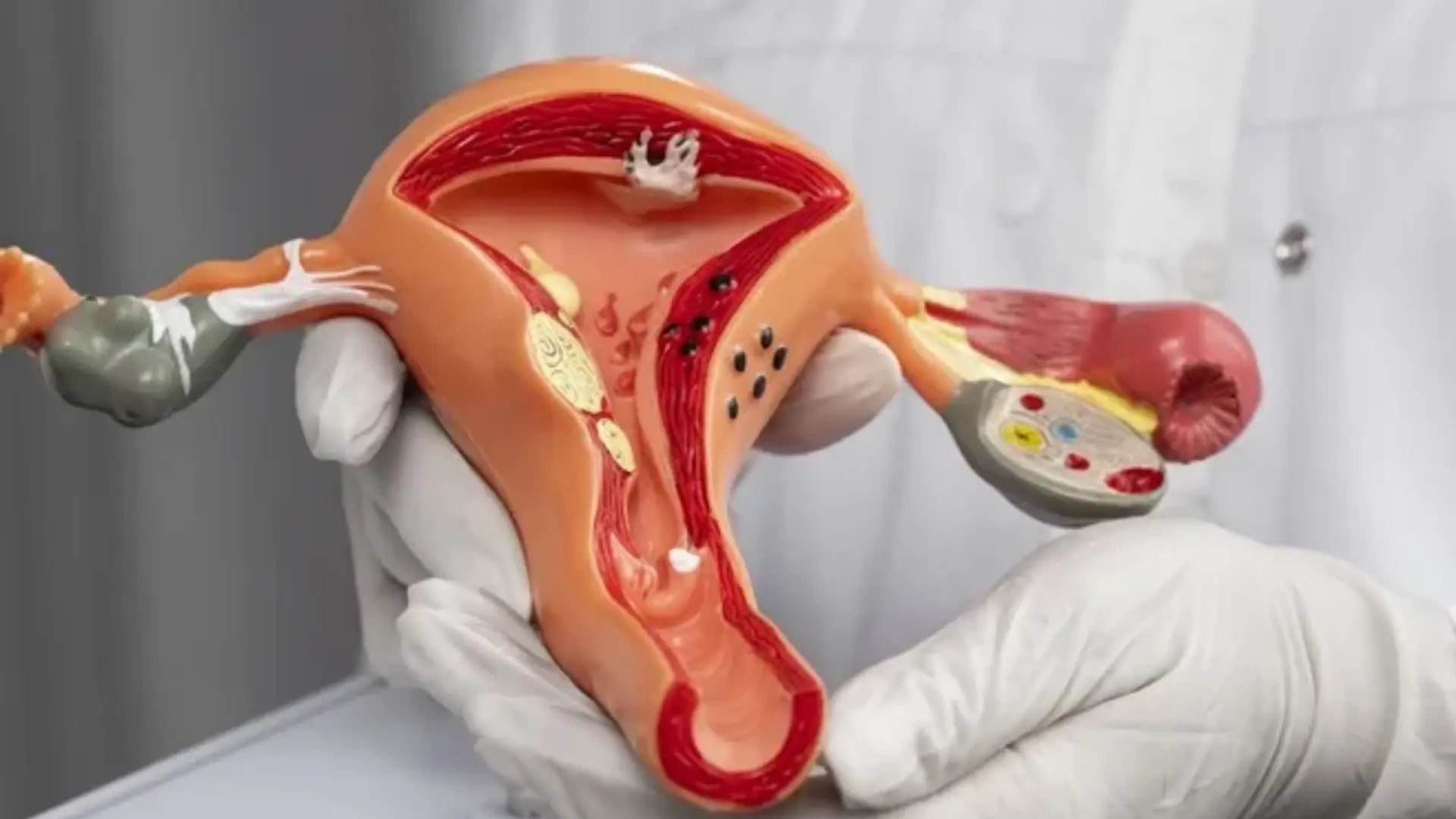

Dr. Ankita approaches fallopian tube blockage with careful diagnosis and individualized treatment planning. She focuses on understanding the cause of blockage and evaluating fertility goals before recommending medical or supportive treatment options. Her approach aims to improve reproductive outcomes while avoiding unnecessary interventions whenever possible. Through clear explanations and continuous guidance, she helps patients make informed decisions about their fertility journey.
Women struggling to conceive, those diagnosed with tubal blockage during fertility tests, or women with a history of pelvic infections, abdominal surgery, or ectopic pregnancy should consult for timely evaluation.
Fallopian tube blockage often shows no obvious symptoms. Some women may experience pelvic pain, unusual vaginal discharge, painful periods, or difficulty in achieving pregnancy despite regular attempts.

Fallopian tube blockage can affect fertility and requires timely evaluation and appropriate medical care. Early diagnosis helps identify the cause of blockage and allows for treatment planning that supports reproductive health and future conception. With personalized care, careful monitoring, and guided treatment, many women can improve their fertility outcomes. Proper medical support helps protect reproductive function and provides clarity and confidence throughout the fertility journey. She carefully studies each patient’s condition and creates a personalized treatment plan that suits lifestyle, body needs, and future goals. With consistent follow-up and honest guidance.
In many cases, medical management and supportive care may help depending on the blockage type.
Not always. Partial blockages may still allow conception with proper care.
No, treatment depends on severity and individual fertility factors.