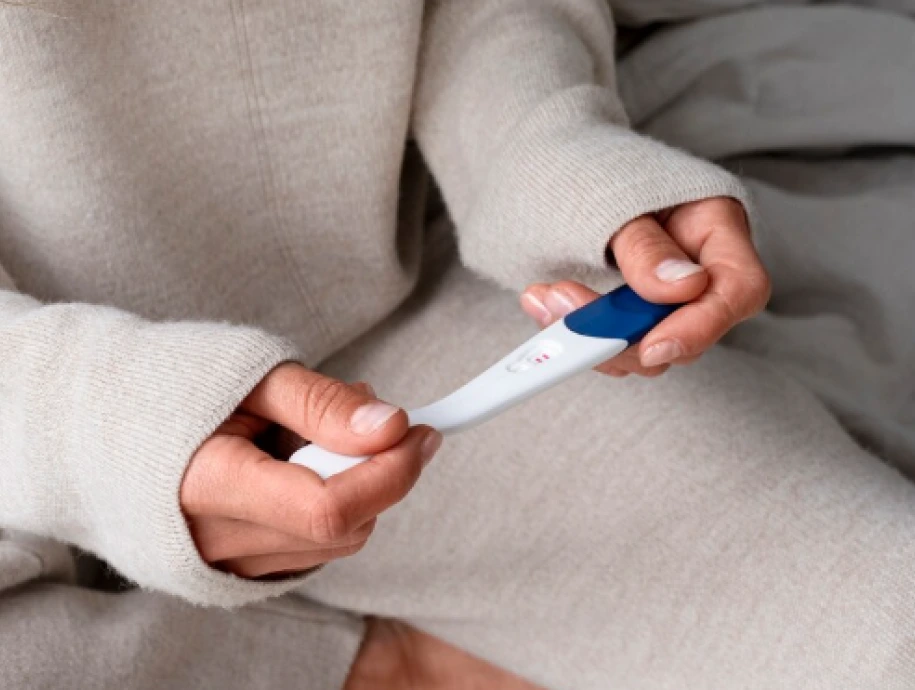
Gentle care to relieve period pain and restore daily comfort
Painful periods, medically known as dysmenorrhoea, are a common concern for many women and can interfere with daily activities, work, and emotional well-being. Menstrual pain may range from mild cramps to severe discomfort that affects quality of life.
With proper evaluation and timely care, period pain can be managed effectively. Addressing the underlying cause helps reduce pain, regulate cycles, and improve overall reproductive health.


Dr. Ankita provides careful and compassionate care for women experiencing painful periods. She focuses on identifying the root cause of menstrual pain rather than offering temporary relief alone. Each treatment plan is tailored to the patient’s symptoms, lifestyle, and health needs. With clear communication, regular follow-up, and gentle guidance, Dr. Ankita helps women manage period pain safely and regain comfort and confidence.
Women and adolescents experiencing severe menstrual pain, cramps that interfere with daily routine, irregular painful cycles, or period-related discomfort that does not improve with basic remedies should seek medical evaluation.
Painful periods may present as lower abdominal cramps, back pain, nausea, fatigue, headaches, or discomfort that begins before or during menstruation and affects normal activities.
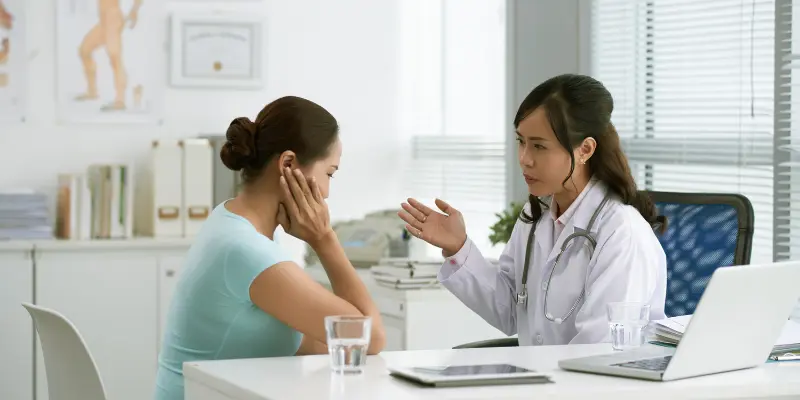
Dysmenorrhoea (Painful Periods) should never be accepted as something women must simply endure. Persistent or severe period pain often indicates an underlying issue that deserves proper medical attention. With timely diagnosis and personalized care, dysmenorrhoea can be managed effectively and safely. Focused treatment helps reduce pain, improve menstrual comfort, and support long-term reproductive health. With the right guidance and ongoing care, women can experience smoother cycles, better daily comfort, and improved overall well-being.
Mild discomfort can be normal, but severe or worsening pain is not and should be evaluated by a doctor.
Yes, many cases respond well to lifestyle guidance, medical care, and supportive treatment tailored to individual needs.
If pain disrupts daily life, causes missed work or school, or is associated with other symptoms, medical consultation is recommended.